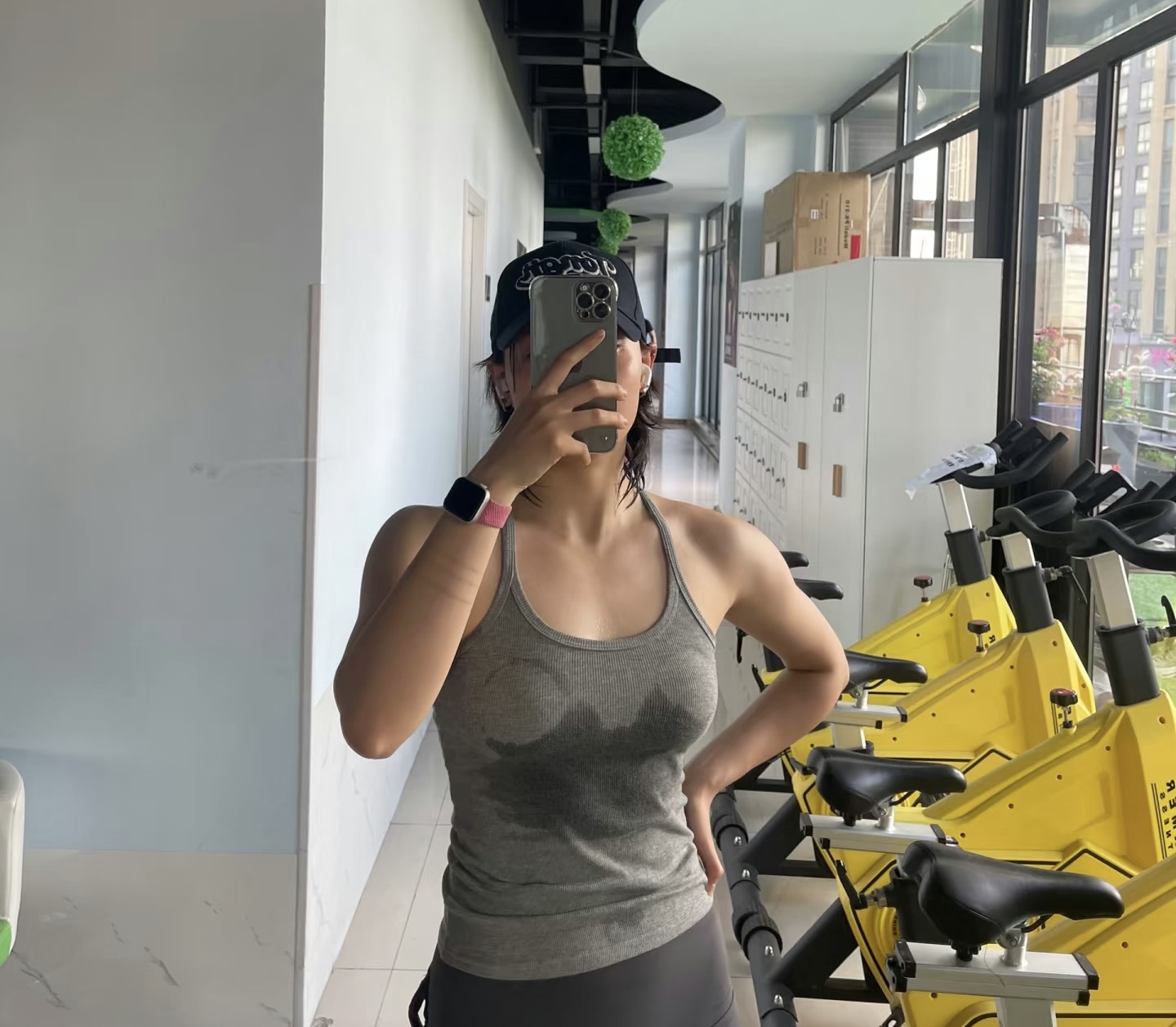
Non-adhesive nipple covers slipping is a problem I’ve personally dealt with for years. I’ve tried countless covers, searching for styles that are invisible, comfortable, and actually stay in place. Honestly? It’s trickier than it sounds. One thing I’ve learned is exactly why grippy covers move under certain fabrics, sweat, or larger busts—and how frustrating it can be when they don’t stick. At the same time, non-adhesive nipple covers are amazing for sensitive skin—no sticky residue, no irritation.
In this guide, I’ll share my personal experience with why non-adhesive nipple covers slip, how to prevent grippy covers from sliding, which fabrics and habits affect their hold, and which types of covers work best for different activities, from daily wear to workouts, summer outings, and special occasions. By the end, you’ll know exactly how to keep non-adhesive nipple covers in place, when to stick with these styles, and when it’s smarter to go with adhesive nipple covers for comfort and reliable hold.
What Are Non-Adhesive Nipple Covers ?
Non-adhesive nipple covers slipping happens because these covers rely on friction, not glue, to stay put. Non-sticky nipple covers, like silicone grippy styles, are perfect for sensitive skin or anyone wanting to avoid sticky residue. They’re reusable, soft, and safe, but the friction-only design has natural limits—especially under sweat, heat, or loose clothing.
Market trends show that non-adhesive silicone covers are growing in popularity. Verified Market Research reports that the US nipple cover market was valued at $5.3billion in 2024, with reusable silicone covers becoming increasingly popular.
| Attributes | Details |
| Report Title | Silicone Nipple Cover Reusable Market Research Report 2033 |
| By Product Type | Ultra-Thin, Thick, Shaped, Adhesive, Non-Adhesive, Others |
| By Application | Daily Wear, Sports, Maternity, Special Occasions, Others |
| By Distribution Channel | Online Stores, Supermarkets/Hypermarkets, Specialty Stores, Pharmacies, Others |
| By End-User | Women, Men, Others |
| Regions Covered | North America, Europe, APAC, Latin America, MEA |
| Countries Covered | North America (United States, Canada), Europe (Germany, France, Italy, United Kingdom, Spain, Russia, Rest of Europe), Asia Pacific (China, Japan, South Korea, India, Australia, South East Asia (SEA), Rest of Asia Pacific), Latin America (Mexico, Brazil, Rest of Latin America), Middle East & Africa (Saudi Arabia, South Africa, United Arab Emirates, Rest of Middle East & Africa) |
| Base Year | 2024 |
| Historic Data | 2018-2023 |
| Forecast Period | 2025-2033 |
This data report is sourced from Verified Market Research.
Why Non-Adhesive Nipple Covers Slip or Fall Off
From personal experience and online user discussions, the main reasons for non-adhesive nipple covers slipping are easy to spot. It’s rarely a product flaw—it’s just how friction-based silicone works. The top factors include fabric type, sweat/heat, breast size, misplacement, and skin oils. Recognizing these factors is key to preventing sliding or falling.
Fabric Type Is a Major Factor in Non-Adhesive Nipple Covers Slipping
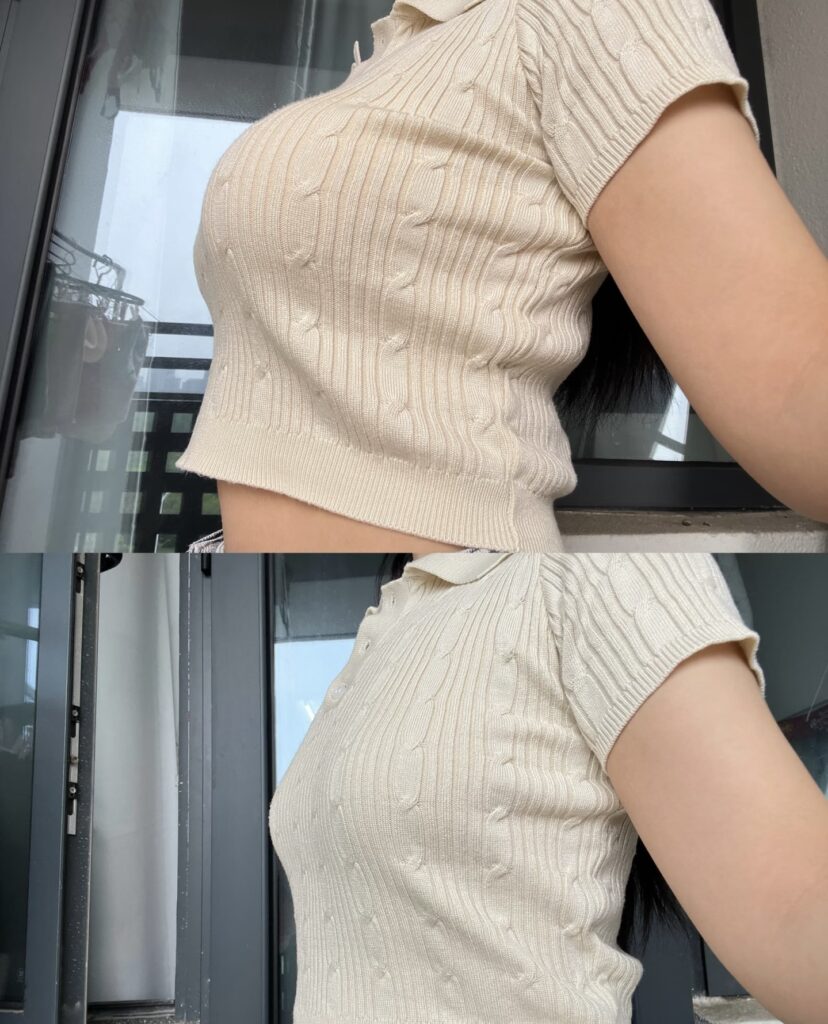
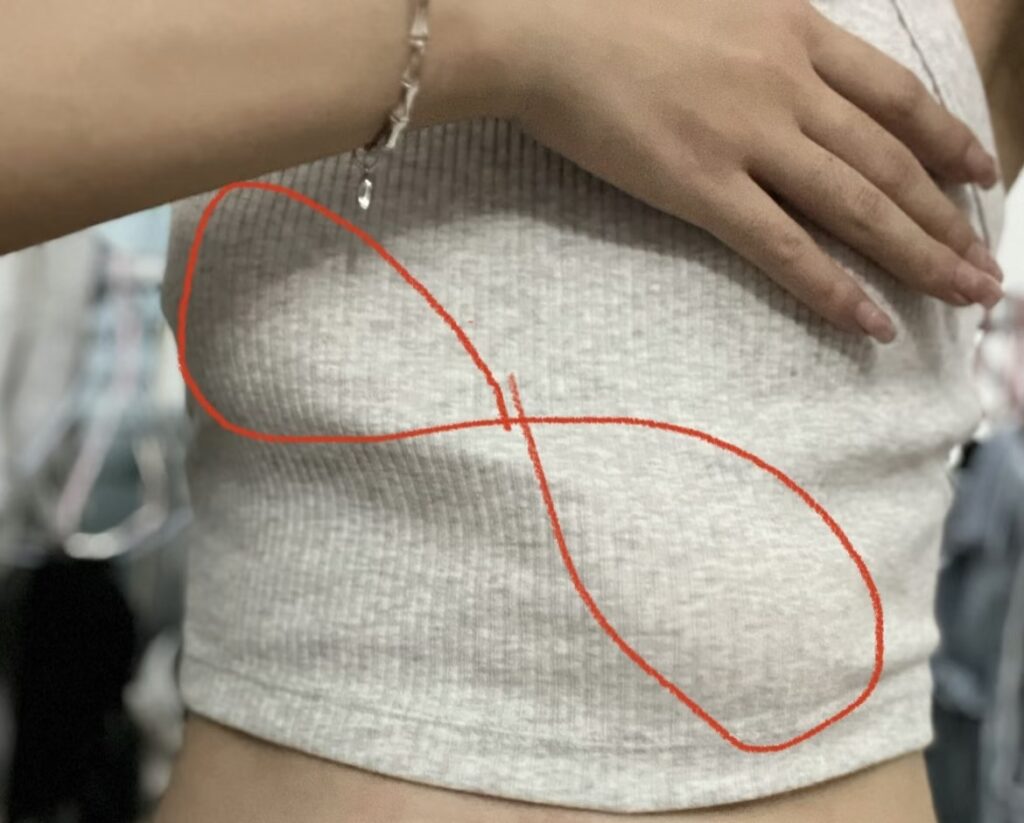
Silky, satin, or oversized tops can seriously undermine grip. I’ve experienced this on multiple hot summer days—my covers just slid under flowy materials. Tighter cotton, ribbed knits, or compression fabrics provide the friction needed for grippy nipple covers slipping to stay put.

Real-Life Try-On of Non-Adhesive Nipple Covers on Fitted Light-Colored Cotton Tops – Stays Put with Good Grip
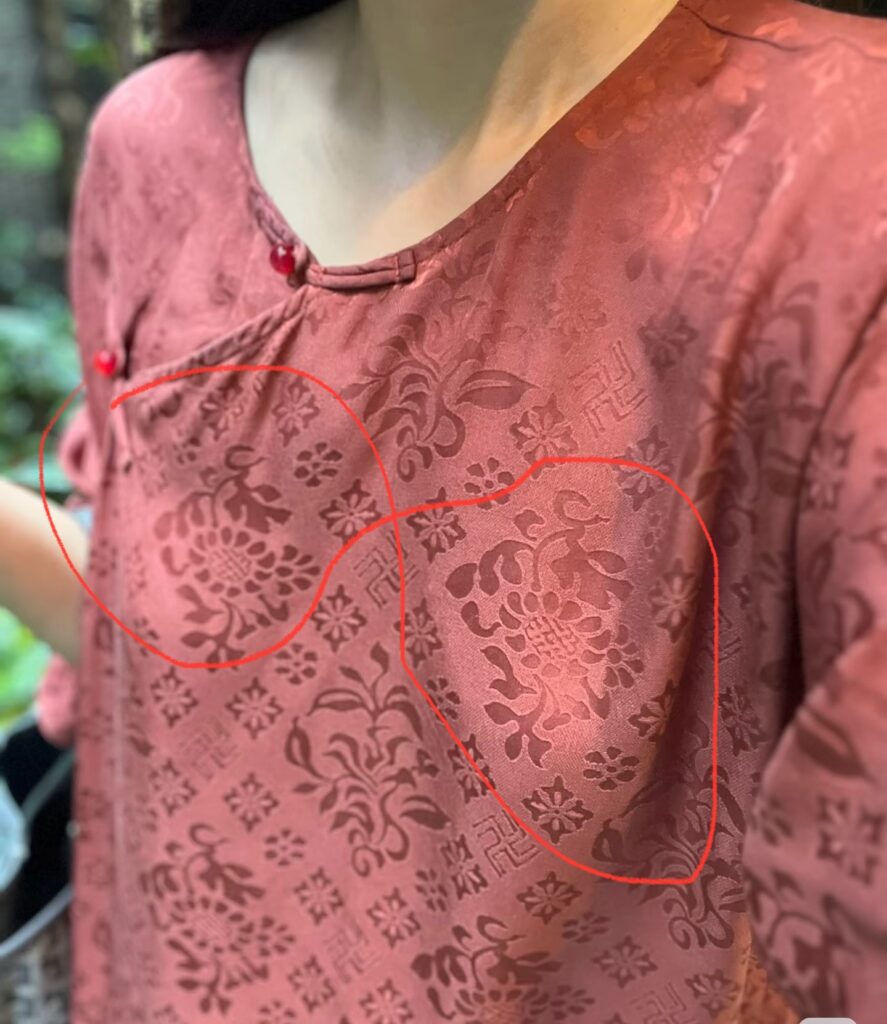
Real-Life Try-On of Non-Adhesive Nipple Covers on Loose Satin Fabrics – Prone to Sliding and Falling Off
Visual tip: Side-by-side photos showing non-adhesive nipple covers under cotton vs satin illustrate why fabric choice is crucial.
Sweat, Humidity, and Body Heat Make Grippy Covers Slide
Even the best non-adhesive covers can move when sweat or heat is involved. I always blot my skin with a lint-free cloth and air-dry before applying—this prevents most sliding issues.
User tip: For workouts or hot summer days, a hybrid or light-adhesive silicone cover can prevent frustration.
Large Breasts Increase Non-Adhesive Nipple Covers Slipping Risk
If you’re C cup or larger, the weight of your breasts can pull friction-only covers right off. I’ve found that larger diameter covers or hybrid designs provide better stability. Many users in online forums confirm grippy nipple covers slipping is more common for larger busts.
Wrong Size or Placement Leads to Slipping
Even a high-quality cover can fail if it’s too small or placed incorrectly. I always test placement at home—raising my arms, bending, twisting—to ensure the cover stays in place. Small adjustments can prevent constant slipping.
Skin Oils, Lotion, and Sunscreen Make Non-Adhesive Covers Slide
Any residual lotion, oil, or sunscreen dramatically reduces friction and can cause non-adhesive nipple covers slipping. I’ve learned to clean or wipe the area and make sure it’s completely dry before applying—this simple step prevents most sliding.
How to Make Non-Adhesive Nipple Covers Stay Put
Based on my personal experience, here’s how to prevent non-adhesive nipple covers slipping:
1.Choose the right fabric – tight cotton, ribbed knits, and compression fabrics are ideal. Avoid satin, silk, and flowy tops.
2.Keep skin completely dry – no lotion, oils, or sunscreen before application.
3.Pick the correct size – larger busts may need bigger covers; hybrids can give extra hold.
4.Match activity to cover type – grippy covers work for everyday wear, but not for heavy exercise or outdoor heat.
5.Consider hybrid or light-adhesive covers if needed – they combine comfort with secure hold.
tip: Keep a small microfiber cloth handy for prepping your skin—this simple step prevents slipping every time.
Best Activities for Non-Adhesive Nipple Covers Slipping-Free
- Ideal: daily wear, office, errands
- Avoid: running, gym workouts, dance nights, weddings in hot weather
When Should You Switch to Adhesive Nipple Covers?
Even with all precautions, grippy nipple covers may still slip. Adhesive silicone nipple covers provide both comfort and a secure hold without harsh glue, making them perfect for long days, workouts, or formal events.
Use the Correct Size (Especially for C–DD+ Users)
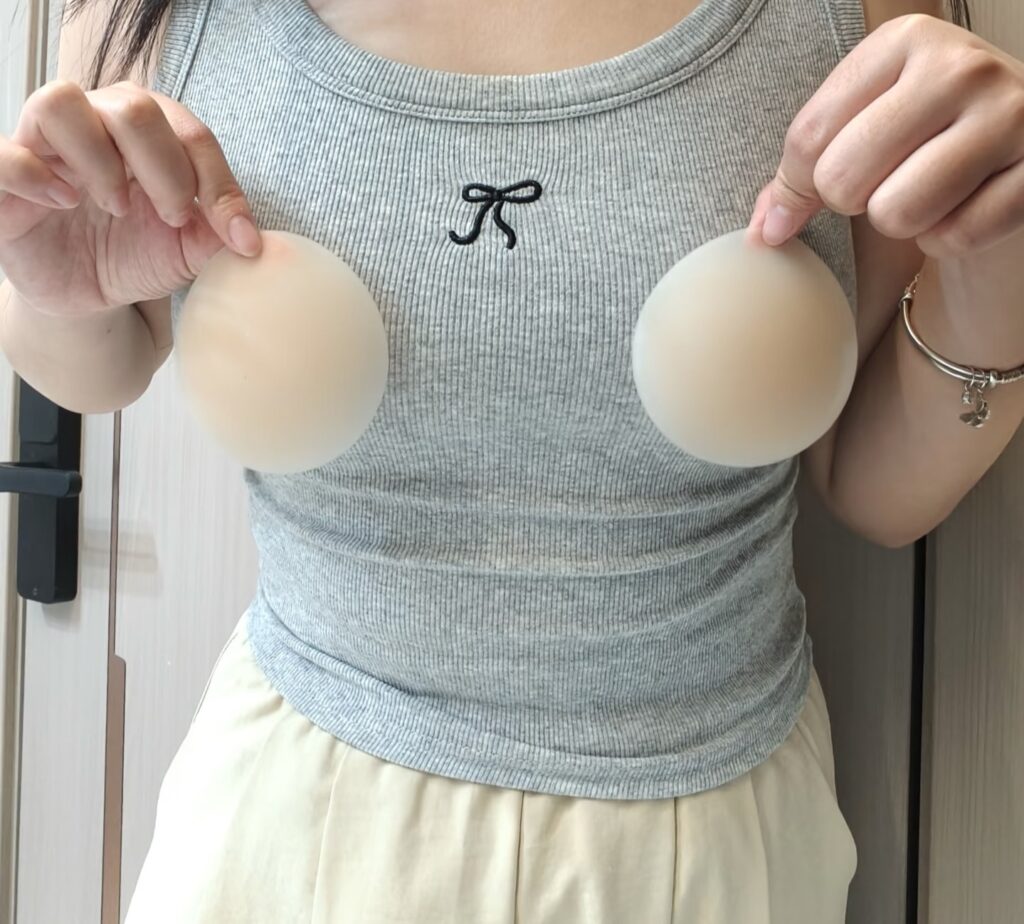
Getting the right size is one of the most important steps to prevent non-adhesive nipple covers slipping. Covers that are too small won’t provide enough surface area to stay in place, especially for C–DD+ cup sizes. I personally found that larger diameter covers give more stability and reduce sliding throughout the day. For heavier busts, you might also consider switching to adhesive nipple covers if friction-only covers just don’t hold up. Using the correct size ensures your grippy nipple covers slipping issues are minimized and gives you confidence in daily wear.
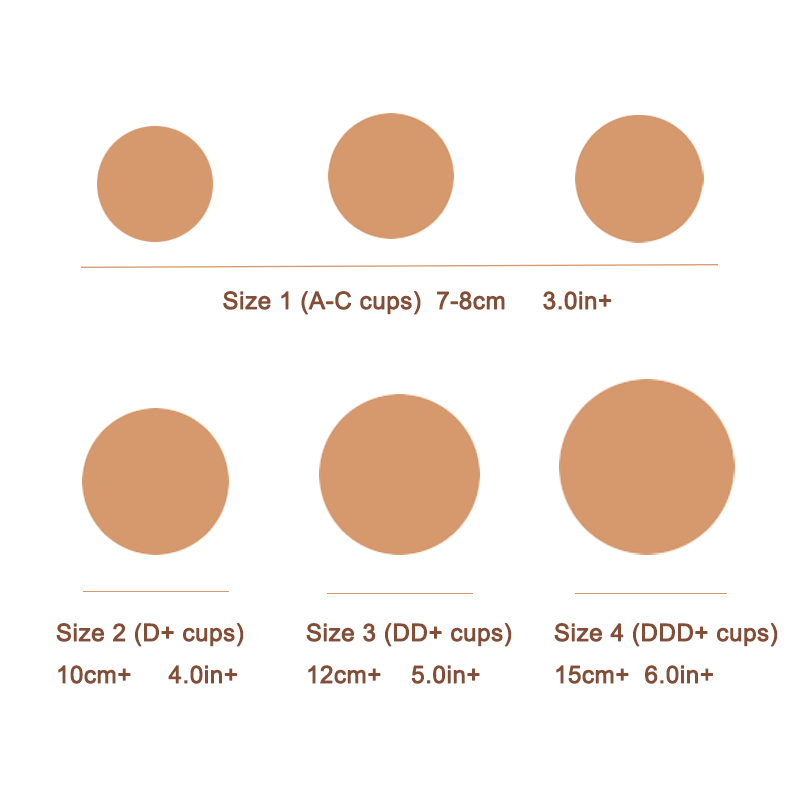
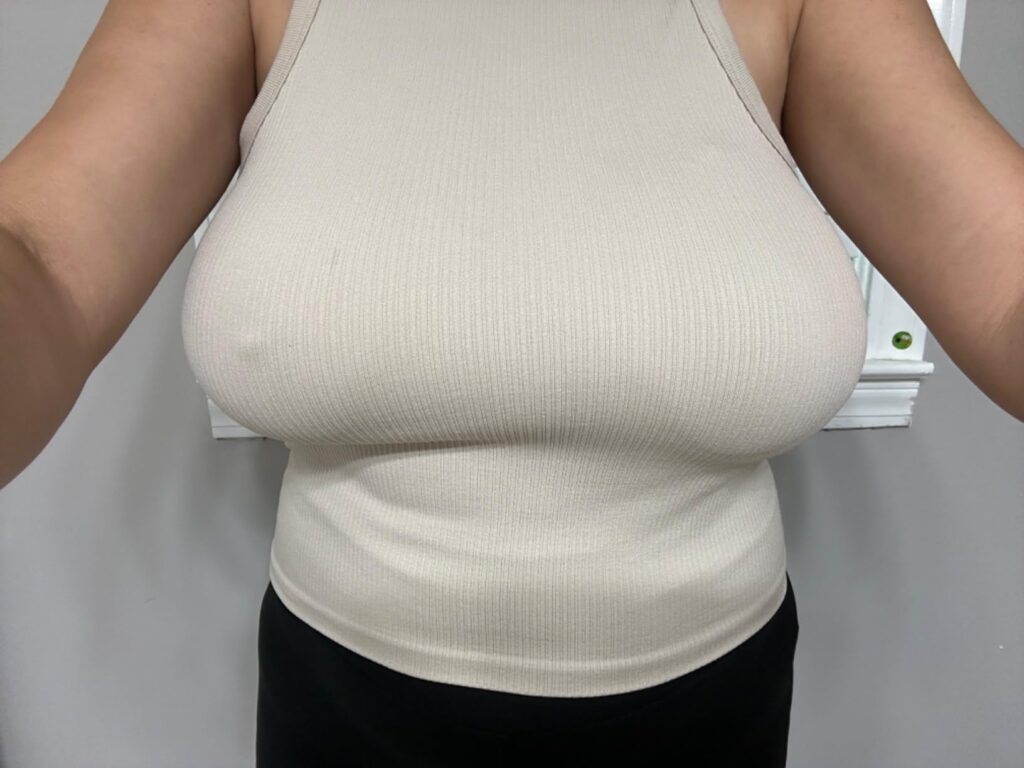
Selecting the correct size non-adhesive nipple covers for optimal hold
Best Activities for Non-Adhesive Styles (Do & Don’t)
Do: Non-adhesive nipple covers work best for everyday activities like running errands, going to the office, or doing light exercise. These are scenarios where your body movements are moderate, and your clothes aren’t overly slippery.
Don’t: Avoid high-intensity workouts, running, outdoor events in hot weather, or occasions where you’ll be in formal dresses or gowns for hours. Even the best grippy nipple covers slipping can occur under heavy sweat, silky fabrics, or large busts during these activities. Knowing which situations are ideal and which to avoid can save you frustration and ensure your non-adhesive nipple covers stay put when it matters most.
Non-Adhesive vs Adhesive Nipple Covers Slipping Comparison
| Feature / Factor | Non-Adhesive Nipple Covers | Adhesive / Hybrid Nipple Covers |
| Stability / Stay-Put | ★★☆☆☆ (low to moderate) | ★★★★★ (high) |
| Sensitive Skin Friendly | ★★★★★ (excellent) | ★★★★☆ (good, depends on glue) |
| Workout / Movement | ★★☆☆☆ (limited) | ★★★★☆ (suitable for most) |
| Heat / Sweat Resistance | ★★☆☆☆ (low) | ★★★★★ (high) |
| Loose Clothing / Flowing Tops | ★☆☆☆☆ (often slips) | ★★★★☆ (better hold) |
| Daily Wear / Office | ★★★★☆ (comfortable) | ★★★★☆ (comfortable) |
| Formal / Special Occasions | ★★☆☆☆ (risky) | ★★★★★ (safe for dresses) |
| Reusability | ★★★★★ (reusable) | ★★★★☆ (varies by type) |
| Invisible / Seamless Look | ★★★★☆ (good) | ★★★★☆ (good, depending on edges) |
Switching to adhesive nipple covers when non-adhesive styles slip
Alternatives When Non-Adhesive Covers Slip
Based on my testing, the most reliable options for grippy nipple covers slipping are:
- Medical-Grade Silicone Nipple Covers – reusable, ultra-thin, and skin-friendly
- Sweat-Proof Nipple Covers – ideal for workouts or hot days
- Adhesive Nipple Covers – comfort plus reliable hold for large busts or special events
FAQ — People Also Ask
Conclusion
From years of personal experience, non-adhesive nipple covers slipping isn’t unusual—it’s just the limitation of friction-based silicone. By understanding fabric, sweat, size, and proper application, you can greatly reduce slipping. For extra stability, hybrid or light-adhesive silicone covers provide both comfort and a reliable hold, allowing you to wear your covers confidently throughout the day.